
Roulette House Edge Explained: A Player’s Decision Guide
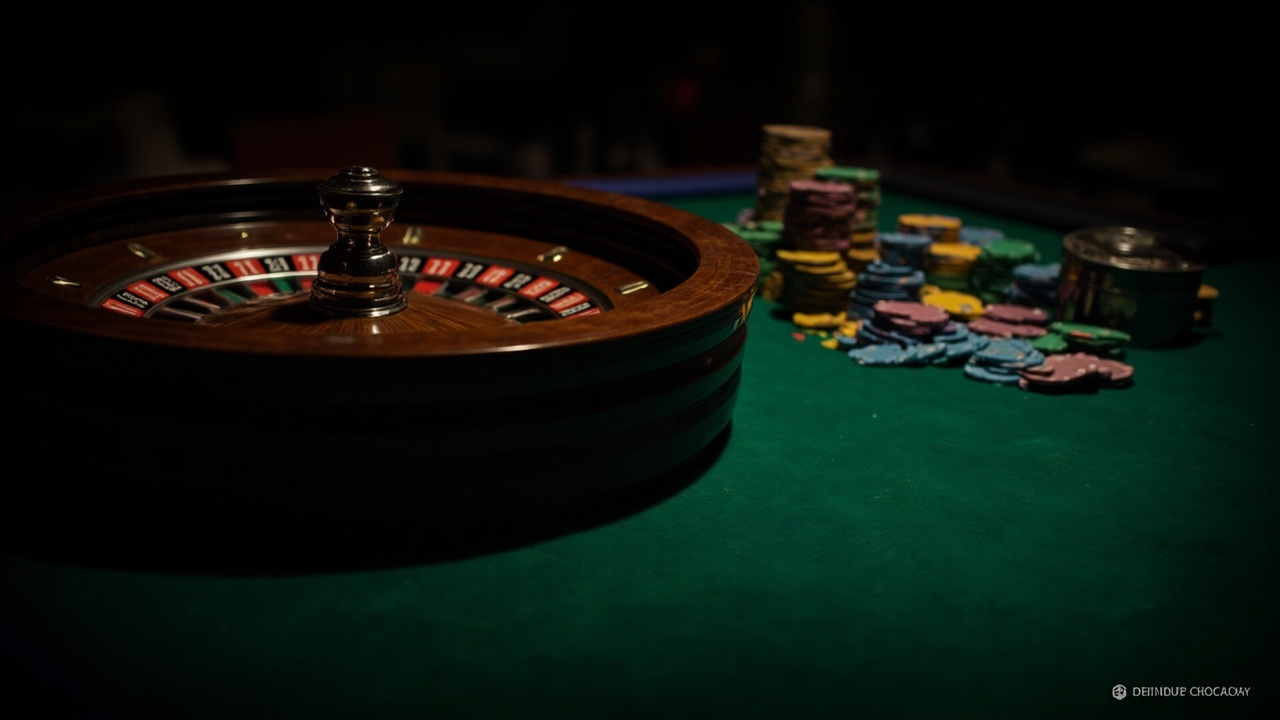
If you’ve spent any time on the floor, you know roulette is the loudest game in the room and the one that draws the most questions about fairness. I’ve run shifts where the same wheel saw three hundred spins before the arvo break, and what never changes is the maths sitting underneath every bet. The house edge is simply the built-in advantage the casino holds over time, expressed as a percentage of each wager the game expects to keep. It’s not a rig, it’s not a trick, and it’s not something a hot streak can erase. For an Australian player weighing up where to put their money, understanding that edge before you buy in is the difference between a night out you can explain to your mates and one you’d rather forget. The real question isn’t whether the edge exists – it does – but which version of the game and which table conditions actually work for your bankroll and your patience.
European versus American wheels: which one pays you back more
The single biggest decision you make before you even touch the layout is which wheel you’re sitting in front of, because the two most common versions don’t share the same maths. A European wheel carries a single zero, which sets the house edge at about 2.7% on most standard bets, while an American wheel adds a double zero and pushes that edge up to roughly 5.26%. That gap is real money over a long session, and I’ve seen players blow through a weekend bankroll on a double-zero table without once realising the extra pocket was doing the heavy lifting. From a floor perspective, we stock European wheels where we can because guests who understand the difference tend to stay longer and complain less when the ball lands in zero. If you’re comparing rooms or weighing up an online session, the same logic holds: a single-zero table gives your money more room to breathe, and that matters more than any flashy bonus that lands in your account for five minutes. When you’re reading up on roulette house edge explained, the first thing to check is whether the wheel you’re playing on has one zero or two, because everything else is just decoration around that number.
| Feature | What it means for your session |
|---|---|
| Single-zero wheel | House edge around 2.7% on standard bets |
| Double-zero wheel | House edge around 5.26% on standard bets |
| Even-money bets | Closest to a fair shake, but still carry the edge |
| Neighbour bets | Cover more numbers, but don’t change the underlying edge |
How the edge shows up on the felt: payouts, neighbours, and where the maths bites
Once you’re at the table, the edge doesn’t announce itself – it hides inside every payout that looks generous but isn’t quite fair. A straight-up bet pays 35 to 1, which sounds like a fair deal until you remember a single-zero wheel has 37 pockets, so the true odds are 36 to 1 against you. That missing unit is where the house edge lives, and it’s the same story on red/black, odd/even, and the dozen bets, just expressed differently. I’ve watched guests cluster on neighbour bets because they feel like they’re covering more ground, but those wagers don’t shrink the edge – they just spread it across more chips and make the session feel busier. The practical takeaway is that no bet on a standard wheel beats the maths, so the smart move is picking the version of the game that keeps the edge as low as possible and then playing the bets you actually enjoy. If you’re weighing up where to put your time and money, the question isn’t which bet feels lucky; it’s whether the table you’ve chosen gives you the most honest shot before the house takes its cut.
Reading the table before you buy in: limits, pace, and what actually matters on a busy floor
The edge is only half the story; the other half is the table itself, because limits, pace, and minimum bets decide how quickly that edge eats into your session. I’ve worked high-volume rooms where a busy arvo meant a wheel turning over a bet every forty seconds, and at a $25 minimum that pace can drain a bankroll long before luck has a say. Lower-limit tables let you stretch a night out, but they also mean more spins for the edge to compound, so the right call depends on whether you’re after a longer session or a tighter, faster one. From a compliance angle, we keep limits clear and posted because guests who know what they’re walking into are less likely to chase losses or argue with the dealer when the ball lands somewhere they didn’t expect. If you’re comparing your options, look at the minimum and maximum, the speed of the table, and whether the game is the version with the lower edge, because those three things tell you more about your actual experience than any marketing line ever will.
Deciding where to play: what to weigh before you commit your money
When you’re ready to make a call, the decision comes down to a short list of practical questions rather than any promise of a good run. Start with the wheel version, because a single-zero table is defo the smarter starting point if you want the edge kept as low as the game allows. Next, check the table limits and the pace, since a $5 minimum on a slow wheel can be a better fit than a $25 table that’s spinning like it’s chasing a deadline. Then think about how you actually want to play: if you’re treating it as a night out with mates in Geelong or a quiet session on your own, the right table is the one that matches your bankroll and your patience, not the one with the loudest sign. I’ve seen guests walk away satisfied because they chose a table that fit their plan, and I’ve seen others frustrated because they chased a bet that never had a fair shot. The honest read is that roulette is entertainment with a known cost, and the best decision is the one where you know that cost before you put your chips down. If you’re comparing your options and want to see how a room structures its cashier flow, payment methods, and limits before you commit, it’s worth having a look at https://minimum-depositcasino.com/en-au to get a feel for how a place sets up its deposit and withdrawal process, because knowing how a site handles verification, currencies, and processing times can save https://senirupa.fkip.uns.ac.id/find-top-slots-with-a-category-sorting-tool-in-aud/ you a lot of frustration when you’re trying to get your money in and out without the runaround.
So here’s the question I’d put to you: when you’re weighing up a roulette session, do you pick the table with the lowest edge and the limits that match your bankroll, or do you go where the vibe and the crowd feel right, even if the maths isn’t as kind? Drop your take in the comments, or pass this along to a mate who’s always asking why the ball keeps finding the zero.